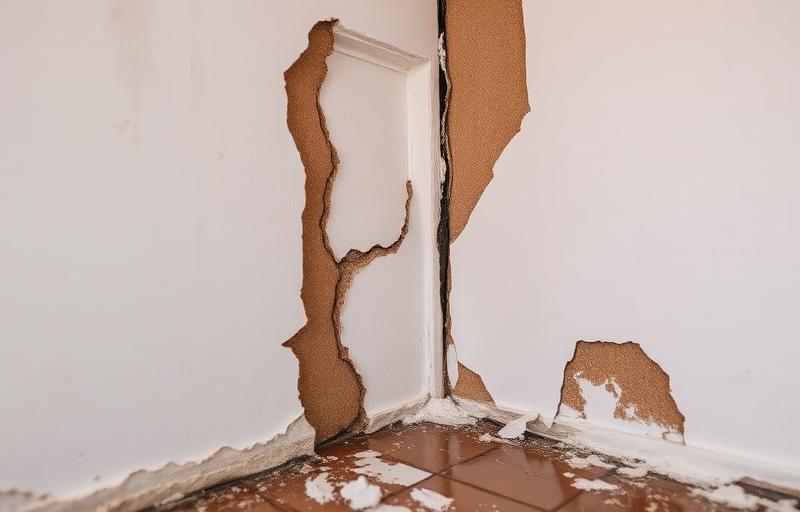



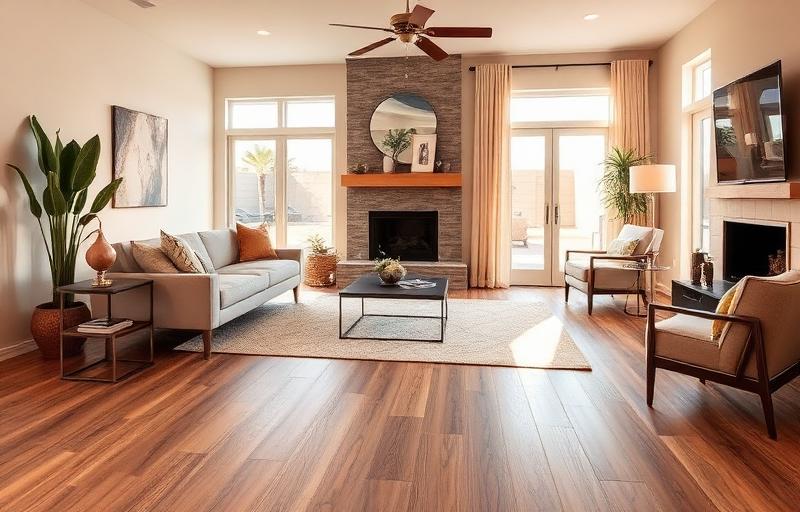
If you're replacing flooring in your Mesa home, you've likely narrowed your choices to luxury vinyl plank (LVP) or tile. Both are excellent for Arizona's climate — but they serve different needs.
As flooring installation experts, our team at ProWorx Restoration installs both materials daily. Here's an honest comparison.
Luxury Vinyl Plank (LVP) Overview
LVP is an engineered flooring product that mimics the look of hardwood or stone. It's made of multiple layers — a wear layer, a printed design layer, and a rigid or flexible core. Modern LVP is virtually indistinguishable from real wood.
Tile Flooring Overview
Porcelain and ceramic tile have been the default Arizona flooring choice for decades. Tile is fired clay — extremely hard, heat-resistant, and waterproof.
Head-to-Head Comparison
- Cost: LVP $3–$7/sq ft installed; Tile $5–$15/sq ft installed
- Durability: Both last 20+ years when properly installed
- Heat transfer: Tile stays cool (great in summer but cold in winter); LVP maintains room temperature
- Comfort underfoot: LVP is significantly softer and more forgiving on joints
- Water resistance: Both are waterproof — ideal for kitchens and bathrooms
- Installation speed: LVP installs 2–3x faster than tile (click-lock vs. mortar and grout)
- Repair: LVP planks can be individually replaced; cracked tiles require more invasive repair
- Resale value: Tile has a slight edge in Arizona's market, though premium LVP is increasingly accepted
Which Is Better for Arizona's Desert Climate?
Both perform well, but consider these Arizona-specific factors:
- Extreme heat: Tile stays cooler in summer — a major comfort advantage when indoor temps can spike before AC catches up
- Monsoon humidity: Both handle moisture well, but LVP's click-lock seams can allow moisture underneath if flooding occurs
- Sand and grit: Desert dust tracks inside constantly — both materials resist scratching, but LVP's softer surface shows wear patterns sooner in high-traffic areas
- Radiant heating: If you add under-floor heating for winter comfort, tile conducts heat more efficiently than LVP
Best Rooms for Each Material
- LVP: Bedrooms, family rooms, hallways, home offices
- Tile: Kitchens, bathrooms, entryways, laundry rooms, patios
- Either: Living rooms, dining rooms
For a broader look at all your options, check our complete Mesa flooring guide.
Can You Mix LVP and Tile in the Same Home?
Absolutely — and most Mesa homes do. A common approach is tile in wet areas (kitchen, bathrooms, laundry) and LVP in living spaces and bedrooms. Modern transition strips create clean lines between materials.
Get Expert Flooring Installation in Mesa
ProWorx Restoration provides professional flooring installation for both LVP and tile across Mesa and the Phoenix Metro area. We help you select the right material for each room and deliver flawless installation.